NHS Pharmacy First Service
Same-day help • Local pharmacy • No appointment needed (where available)

NHS Pharmacy First service

Get advice and treatment for selected common conditions directly from a community pharmacy. A pharmacist can assess symptoms, offer self-care advice, and provide treatment when appropriate.

View services

If you’re severely unwell, have chest pain, breathing difficulty, or symptoms of stroke, call 999.

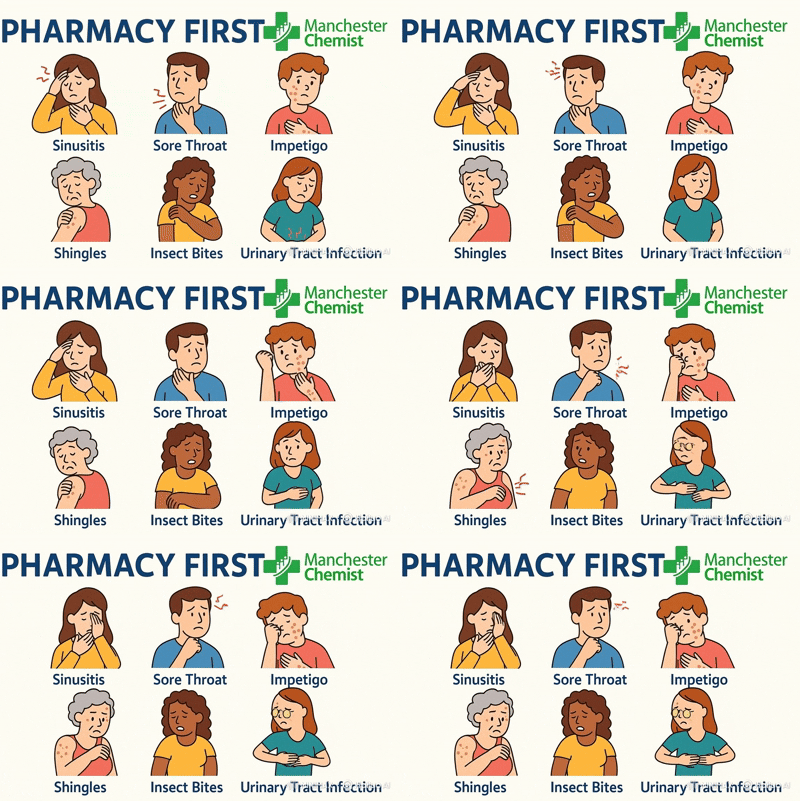
Illustrations of conditions covered by Pharmacy First

Services available

Only the conditions listed below are included on this page.

Sinusitis

Support for sinus pressure/pain, blocked nose, and related symptoms. A pharmacist can advise on relief and when to escalate.

AssessmentSelf-care adviceTreatment if suitable

Sore throat

Advice for throat pain, discomfort on swallowing, and associated symptoms. Pharmacists can help decide what you need next.

AssessmentSymptom reliefSignposting

Impetigo

Help for a contagious bacterial skin infection. A pharmacist can advise on hygiene, avoiding spread, and treatment where appropriate.

AssessmentInfection controlTreatment if suitable

Shingles

Advice for a painful blistering rash. Pharmacists can help you understand next steps and when urgent care is needed.

AssessmentPain reliefFast referral if needed

Insect bites

Support for itching, swelling, and irritation after a bite or sting. A pharmacist can advise on symptom control and warning signs.

AssessmentItch reliefRed-flag checks

Urinary tract infection (UTI)

Advice and treatment options for UTI symptoms where Pharmacy First applies. A pharmacist can assess and refer if needed.

AssessmentSelf-care adviceTreatment if suitable

How it works

Simple steps at your local pharmacy

  1. Tell the pharmacy what symptoms you have (in person or by phone where available).
  2. A pharmacist assesses you using clinical questions and guidance.
  3. You’ll get a plan: self-care advice, treatment if appropriate, or referral to another service.
  4. Safety netting: you’ll be told what to look out for and when to seek urgent help.

What to bring

Helps the pharmacist support you faster

  • NHS number (if you know it) and a list of your medicines
  • Allergy information
  • Details of symptoms (when they started, severity, temperature, pain, rash location, etc.)
  • Any recent treatments you’ve tried
Note: Availability and eligibility can vary by area and condition. The pharmacist will confirm what applies to you.

Eligibility and safety checks

Pharmacists will confirm if Pharmacy First applies

You may be suitable if…

  • Your symptoms match one of the services listed on this page
  • You can answer screening questions (e.g., medicines, allergies, pregnancy, other conditions)
  • You don’t have severe “red flag” symptoms

You may be referred onward if…

  • Symptoms suggest urgent review is needed
  • Symptoms don’t match the service criteria
  • You need tests/examination not available in pharmacy

When to get urgent help

Don’t wait if symptoms are severe

Seek urgent medical advice (e.g., NHS 111) if you have worsening symptoms, severe pain, high fever, signs of dehydration, spreading rash, facial swelling, or you’re concerned.

Call 999 if you think it’s an emergency (e.g., difficulty breathing, severe allergic reaction, chest pain, stroke symptoms).

Not an official NHS page.
This is a sample landing page design for the NHS Pharmacy First service. Always follow local NHS guidance and your pharmacist/clinician’s advice.